
Arizona can fine a law firm up to $1,000,000 and revoke its license.
The MSO behind a law firm has no license to revoke.
Andy Kvesic runs Aprio Legal, an Arizona ABS owned by an accounting firm with private equity behind it.
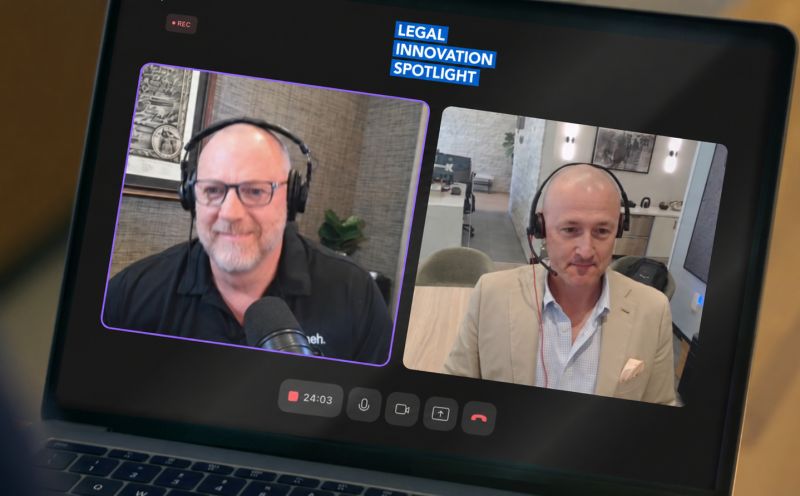
We had an outstanding conversation about the ABS/MSO models on Legal Innovation Spotlight this week.
ABS is the ownership structure the profession has spent years warning us about.
In Arizona it is also the structure where the court licenses the firm itself, on top of the lawyers in it.
Under Arizona's ABS code (ACJA 7-209):
- The Supreme Court licenses the firm, and the license expires after two years
- Every ABS names a compliance lawyer who is responsible for the conduct of its lawyers and its non-lawyers
- Sanctions on the firm go up to revocation and a $1,000,000 civil fine
Andy told me his firm also audits itself twice a year and has to hand over those reports when the ABS staff ask for them.
He says a new application now takes six to eight months.
An MSO goes through none of that. That is probably why private equity moved to MSOs. They close faster.
I asked him how one MSO serving several firms keeps Coke's matters away from Pepsi's once those firms share practice technology.
At an ABS, he said, the compliance lawyer writes the conflict procedures down and defends them in front of the ABS committee at renewal.
At an MSO: "You hope that's going on. But we don't know."
There is no authoritative list of MSO-backed law firms and there is much less regulatory visibility into their activities.
Detractors of the ABS model cite fears that rev sharing with non-lawyers will create conflicts.
But we have staffing companies that charge percentages of first year salary that is paid for by firm revenue. No, it's not direct fee sharing but fees fund comp.
And what about in-house departments that answer to management who aren't lawyers?
And what about MSOs that are much more opaque than ABSs?
Law firms are going to need to make SIGNIFICANT investment to remain competitive in the post transformation era.
Once you get outside the Am Law 50 partner capital becomes less viable to rely exclusively on.
Access to external capital will benefit the industry and we should ask if legacy protectionist thinking is getting in the way of that.
First published on LinkedIn. Read the thread and replies.
Ted Theodoropoulos is CEO and co-founder of Infodash and hosts the Legal Innovation Spotlight podcast. He writes about legal AI strategy, law firm technology, and the economics of the law firm business model.